
Buildings & Facilities
Residential, commercial, institutional and public facilities, MEP systems and common services.
CAPABILITY · Defined lifecycle asset-care services
Operation, planned maintenance, performance management and lifecycle care for completed buildings, infrastructure and productive assets.
Discuss your requirementSCOPE & EXPERTISE
Responsibilities follow the asset condition, operating limits, service levels and appointed specialist competence. Regulated inspections, specialist repairs and statutory certification remain with authorized people or entities.
Residential, commercial, institutional and public facilities, MEP systems and common services.
Solar PV, substations, distribution systems, backup power and energy-management systems.
Pumping, irrigation, water supply, treatment, drainage and associated control systems.
Road assets, lighting, structures, parks, public spaces and urban service facilities.
Workshops, warehouses, quarry and material-processing equipment and supporting utilities.
Specialist assets operated with OEMs, licensed service providers and qualified technical partners.
The written appointment defines selected services, authority, professional responsibility and reporting.
Daily operating checks, logs, housekeeping, setpoints, coordination and safe service continuity.
Time- or usage-based inspections, servicing, lubrication, calibration and planned replacement.
Trend data, condition assessment, diagnostics and intervention before functional failure.
Fault isolation, repair, replacement, testing and documented return to service.
Escalation, isolation, temporary recovery, safety control and permanent corrective action.
Condition-based rehabilitation, upgrade, replacement planning and capital-renewal support.
The written appointment defines selected services, authority, professional responsibility and reporting.
Asset or system time available for intended service.
Failure frequency, repeat faults and mean time between failures.
Acknowledgement, attendance and restoration against service levels.
Planned work completed on time with complete evidence.
Energy, fuel, water and consumables against output or occupancy.
Incidents, nonconformities, statutory checks and corrective closure.
OPEX, lifecycle cost, variance, backlog and renewal forecast.
Complaints, service interruptions, satisfaction and issue closure.
AGREED OUTPUTS
The contract confirms required editions, acceptance criteria, reviews and handover records.
SEVEN-SECTOR APPLICATION
Sector coverage shows where this service can be mobilized. It is not a claim of completed project experience.
RELATED PROJECTS
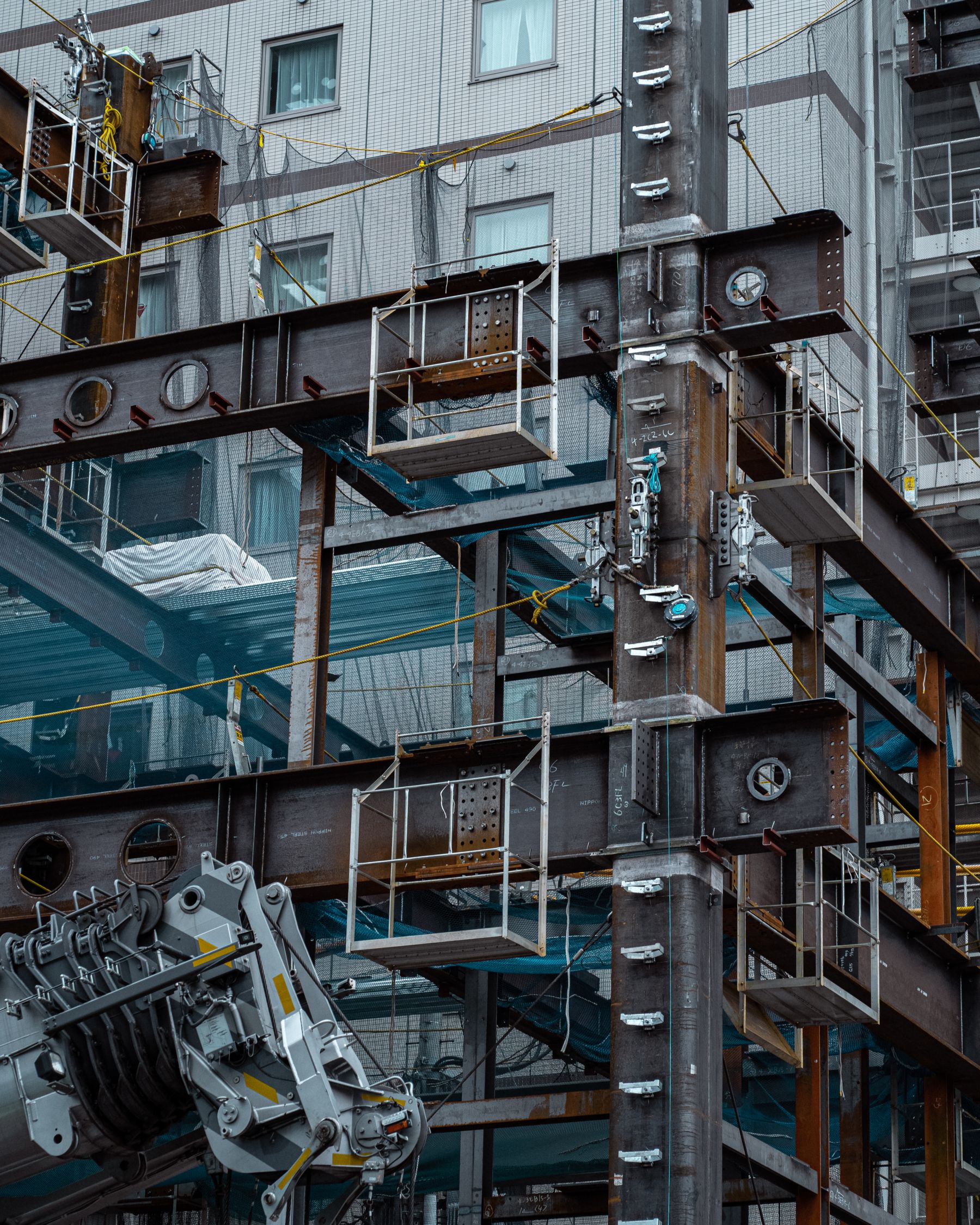
Sample multidisciplinary entry illustrating tailored mobilization, specialist coordination and lifecycle performance support. Shown here as an industrial-facility application of the cross-sector special-project delivery model.
View project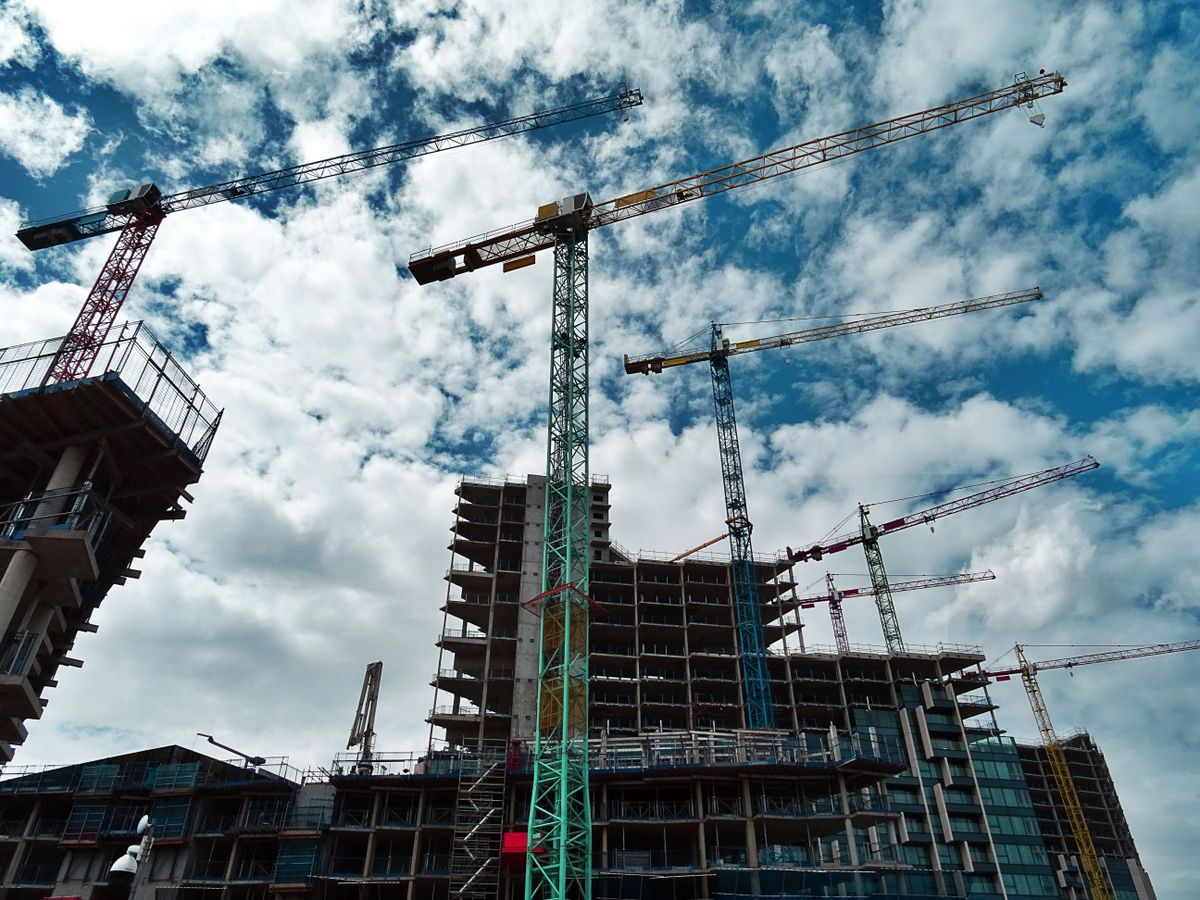
An example building maintenance appointment with planned inspections, corrective maintenance and asset records.
View projectPROJECT PATHWAY
Establish the asset baseline, operating and maintenance plans, service team, spares and performance records, then improve reliability through planned and corrective care.